Hand-in Assignment #2
Write a short first draft of your term paper and send it to my email inbox on 30 March
If you want, you may bring any last-minute questions to this Monday's class, as long as you send me your PDF that same day.
Minimum content requirements:
- State your observation of a sinographic phenomenon: concrete and specific
- Give your succinct formulation of one (or more) research questions (RQ) about this same observation
- Add any further material, preferably including some methodology (i.e. how will you tackle your RQ)
- For the third bullet, don't worry about a storyline: just give my any draft notes about any loose materials and ideas relevant to your RQ.
Optionally, you may repeat the above instructions for a second and for a third observation, and include these in the same PDF. This will make it easier to explore your options during the term-paper writing process (remember the Dutch proverb:
schrijven is schrappen ;-)
Please make sure to cover all bullet points for each observation.
 Maximum length: two pages per observation.
49. Read the two new texts and bring your notes.
We will discuss your questions and remarks in class.
"The failed assault on Chinese characters"
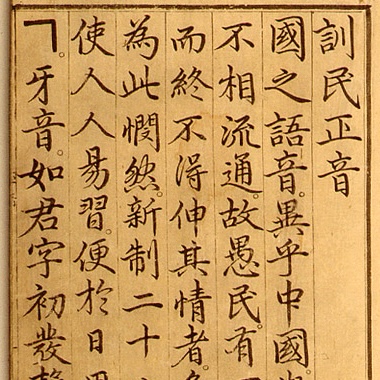
50. On p. 75 of Kraus' text, he notes the Korean use of "a more clearly phonetic" script instead of characters.
In the last session of Block 3, we briefly discussed this script in class, in connection with Image #6 of our collection.
a. Check your notes from that session (historical setting, "clearly phonetic" nature, etcetera), and see if there are any questions left.
b. Can you find variant English spellings for the name of this script?
c. If the Chinese script is not "clearly phonetic", then how could it best be characterized?
d. The phonetic nature of the native Korean script have engendered some enthousiasm about its qualities among linguists and educators.
For an example, see "In praise of: The world's best writing system, which states:
"it turns out that different writing systems are not all equally well equipped to capture the full range of a language’s grammar".
Give a concrete example of one grammatical feature, in a language of your choice, plus a writing system unequipped to capture that feature.
51. Kraus' chapter repeatedly mentions John DeFrancis' work.
a. If you are not familiar with John DeFrancis' name:
do look up some details about his life and work.
b. On p. 78, Kraus states that "DeFrancis points out that..." without quoting a source.
Can you trace this citation?
c. Kraus paraphrases DeFrancis' statement that in the 1950s, "no one in China was willing to appear to challenge Stalin on this point".
On what point, exactly?
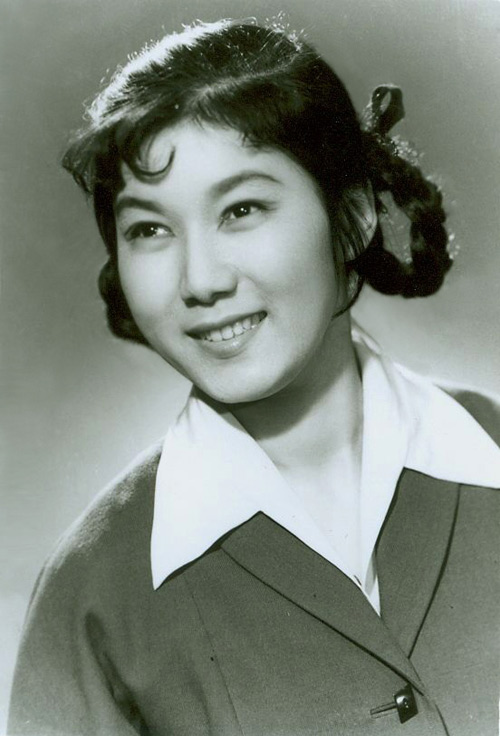
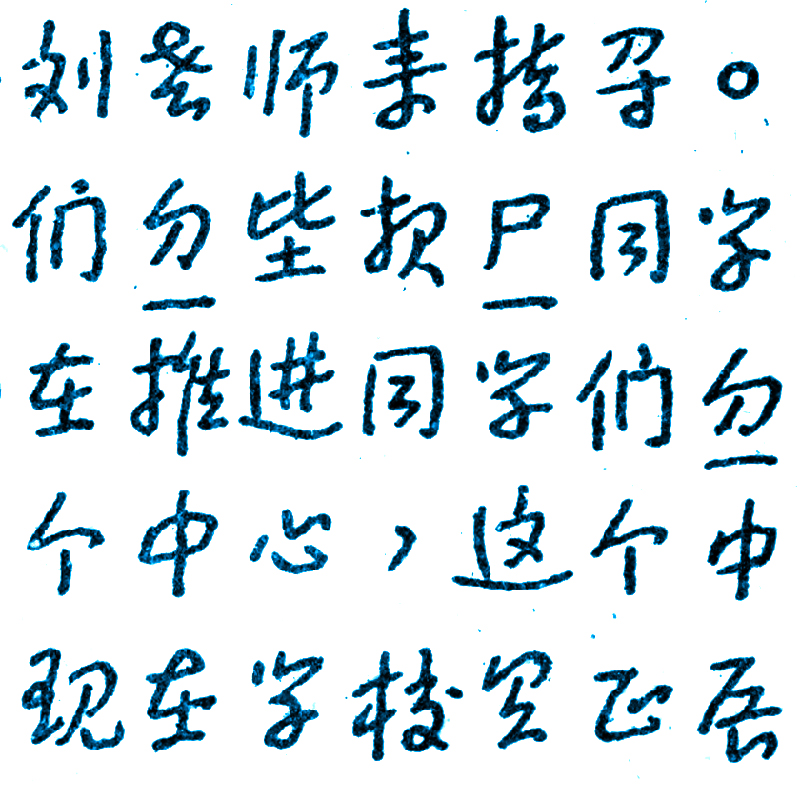
52. P. 81 shows a woodcut from a 1958 issue of the journal 中国妇女 Zhōngguó Fùnǚ "Women of China".
a. Can you identify the characters in this illustration?
b. Can you translate them?
53. On p. 82, Kraus mentions a childhood memory from Chinese opera singer 新凤霞 Xīn Fèngxiá (1927-1998) featuring a "discarded cap of a fountain pen".
a. When and where were fountain pens invented? What writing tool(s) where they meant to replace or supplement?
b. When were they first used in China? What writing tool(s) did they replace, or supplement?
"Features of the Chinese script"
54. For each of the stroke-order principles in Table 12.5, try to find at least one exception.
55. For native speakers of Mandarin:
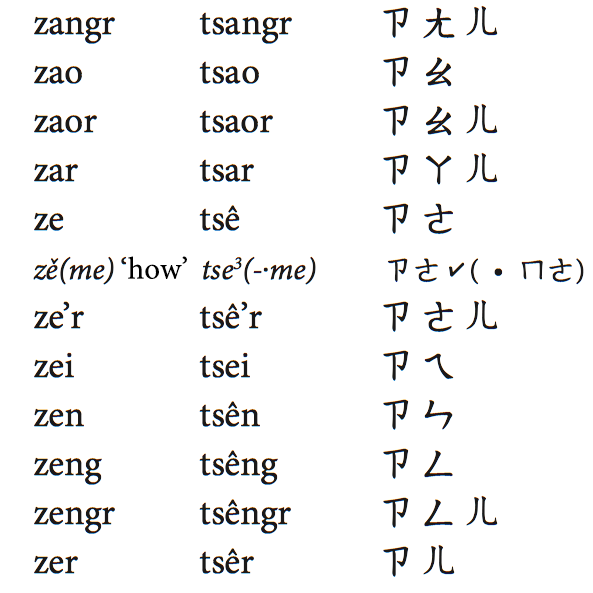
in Table 12.10, compare these letter names with your own pronunciation, and note down any differences.
56. In Table 12.11, can you think of punctuation marks which are missing?
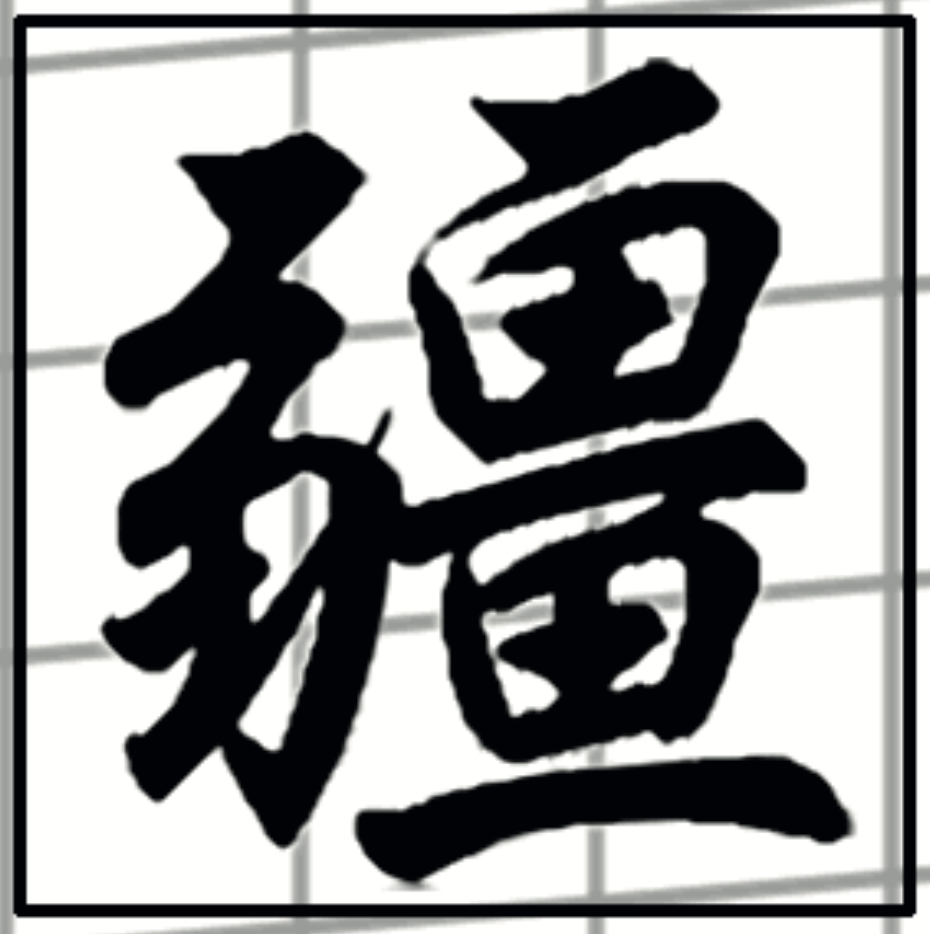
57. For "the sound /s/" at the bottom of page 371, check that you remember what the slashes transcribe.
Can you write these three examples – cent, sent and scent – using the same mode of transcription?
58. At the bottom of p. 372, please formulate a (sinographically) critical note on the English translation "A book from the sky".
59. The small text of p. 375, mentions a "danger of circularity".
Please formulate this danger in two or three sentences of your own.
60. Some historical aspects of the character 年 are mentioned on p. 377.
What is the linguistic term for the relationship between 'millet', 'harvest' and 'year' discussed here?
61. Table 12.14 illustrates the large propertion of infrequent characters.
Can you identify one or more social factors which have contributed to the survival of infrequent characters?
 Update, Thu 29 Jan — This classroom has now been confirmed]
 Intro / Speaking and writing in the sinophone world
 Texts
Texts 
 Highly recommended intro to sinolinguistics – get your own copy,

 Language and script (1): Means and methods
 Texts
Texts 


 Texts
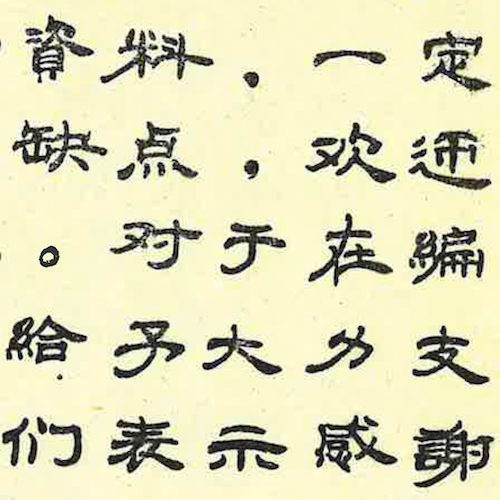
Texts For now, if you cannot read modern written Chinese — or if you expect you might benefit from a classmate's command of Mandarin:
  Hovering over these images with your cursor will reveal any clickable links.

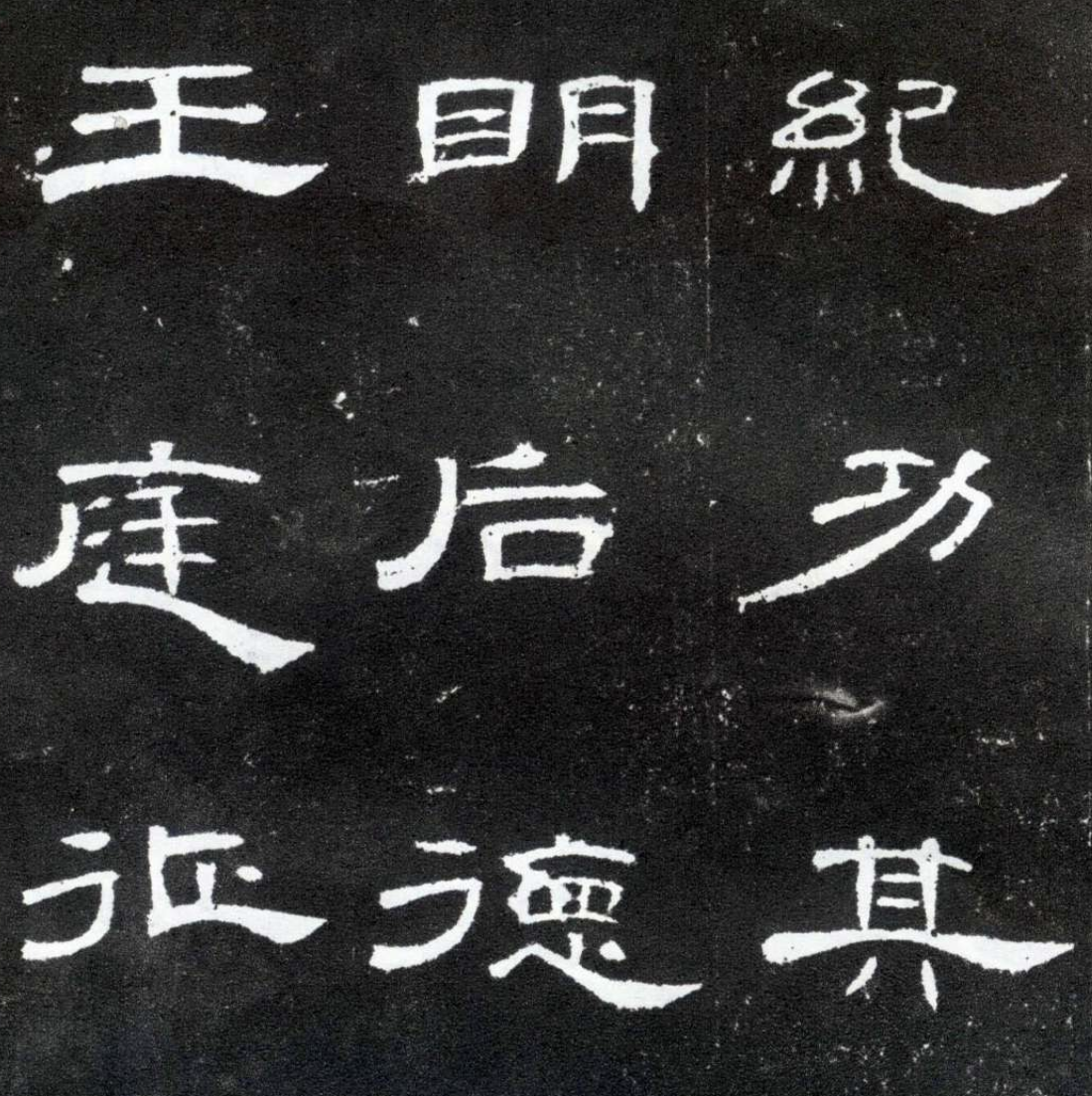
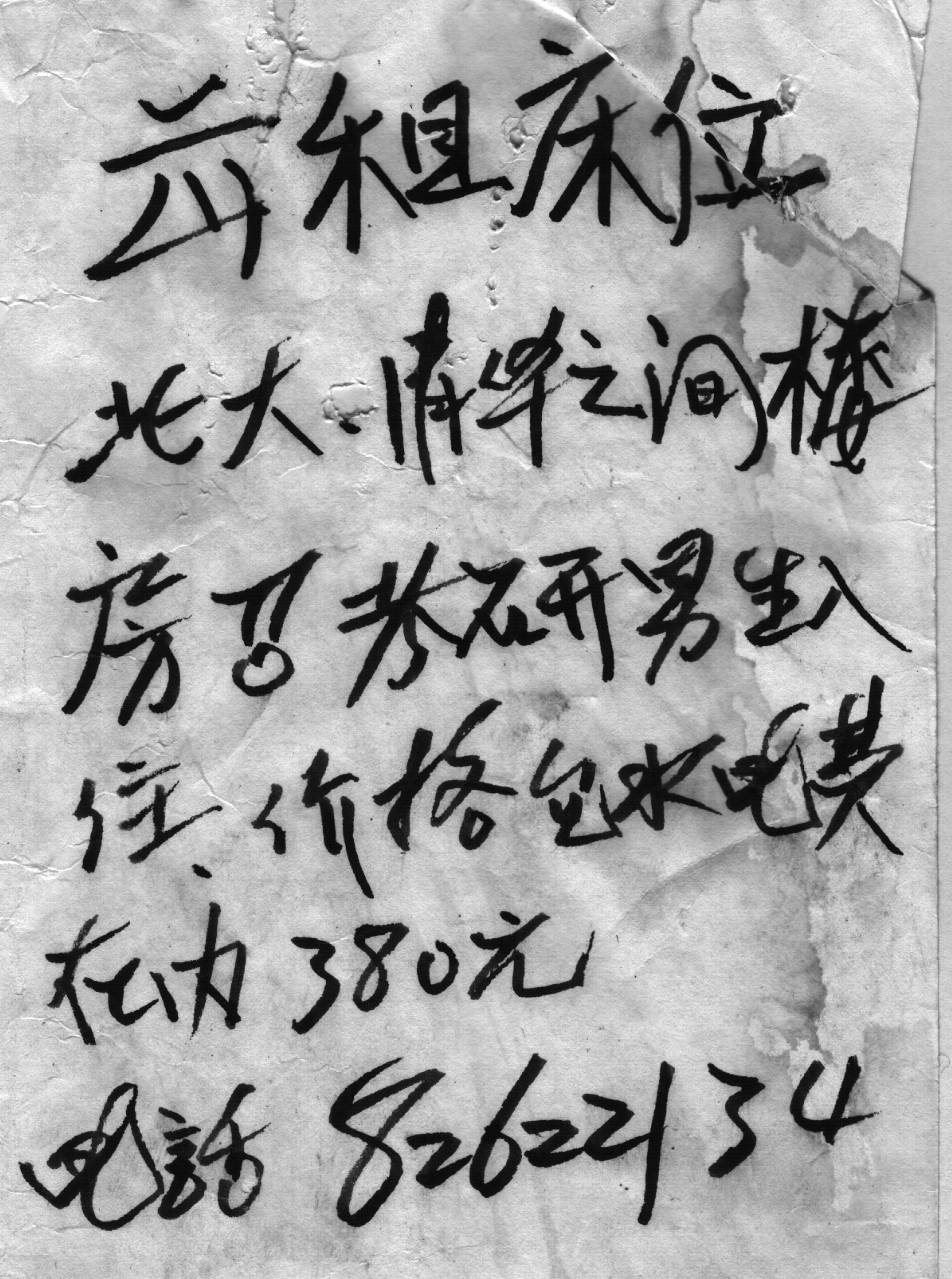
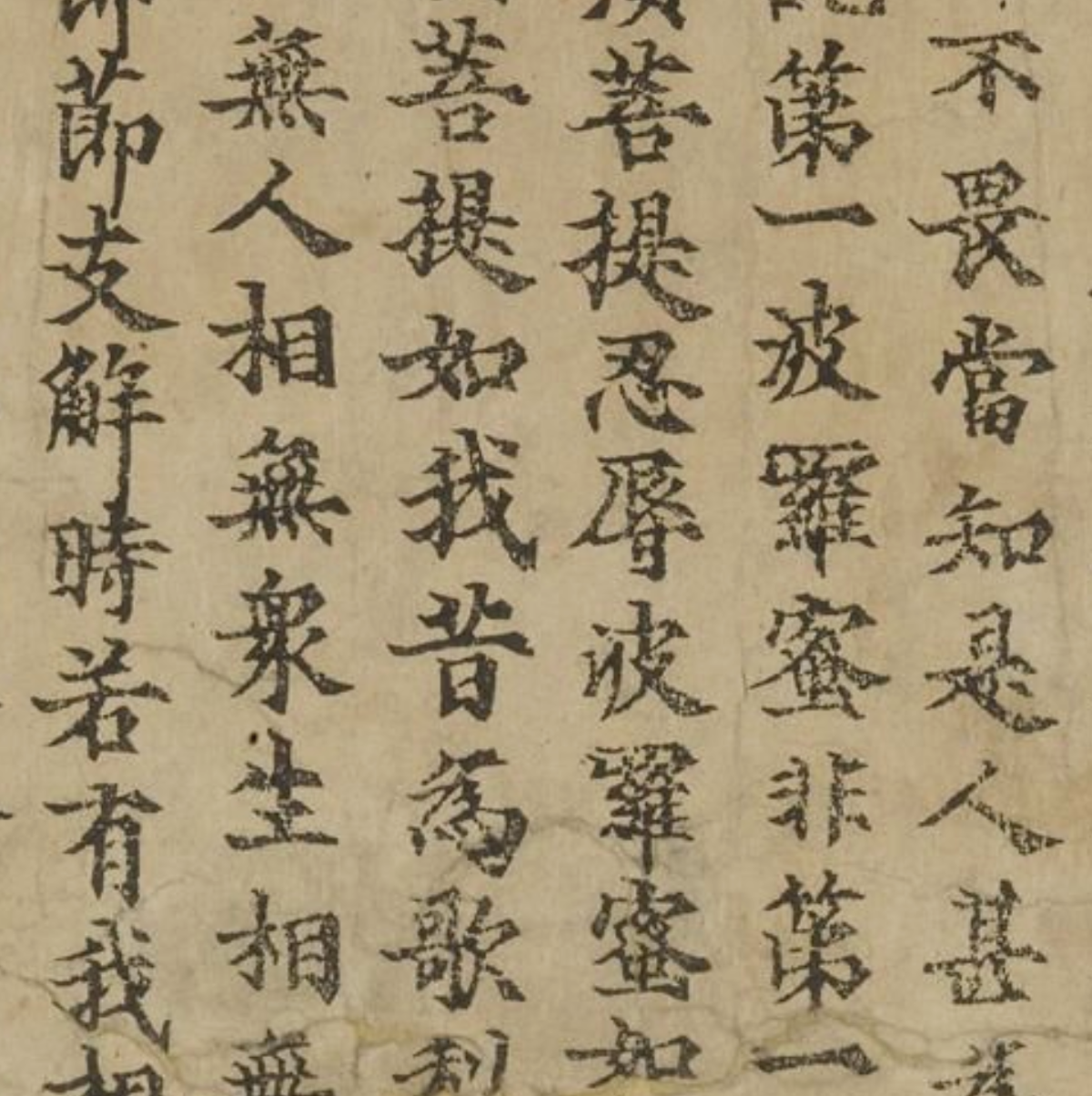
 Corresponding with Heaven: The early scribes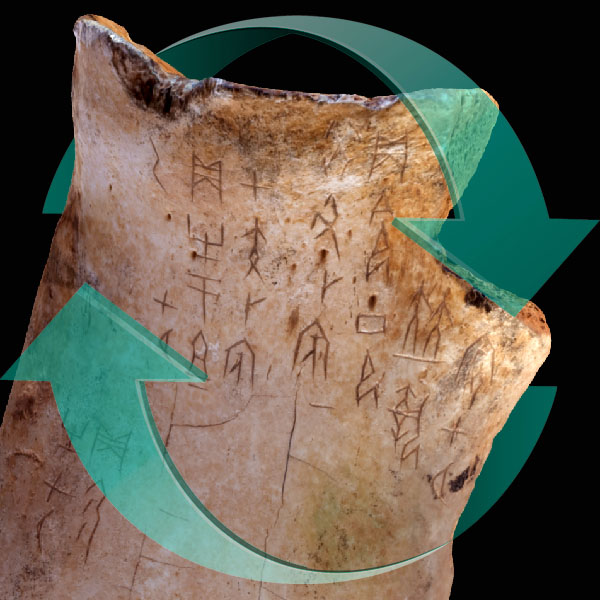

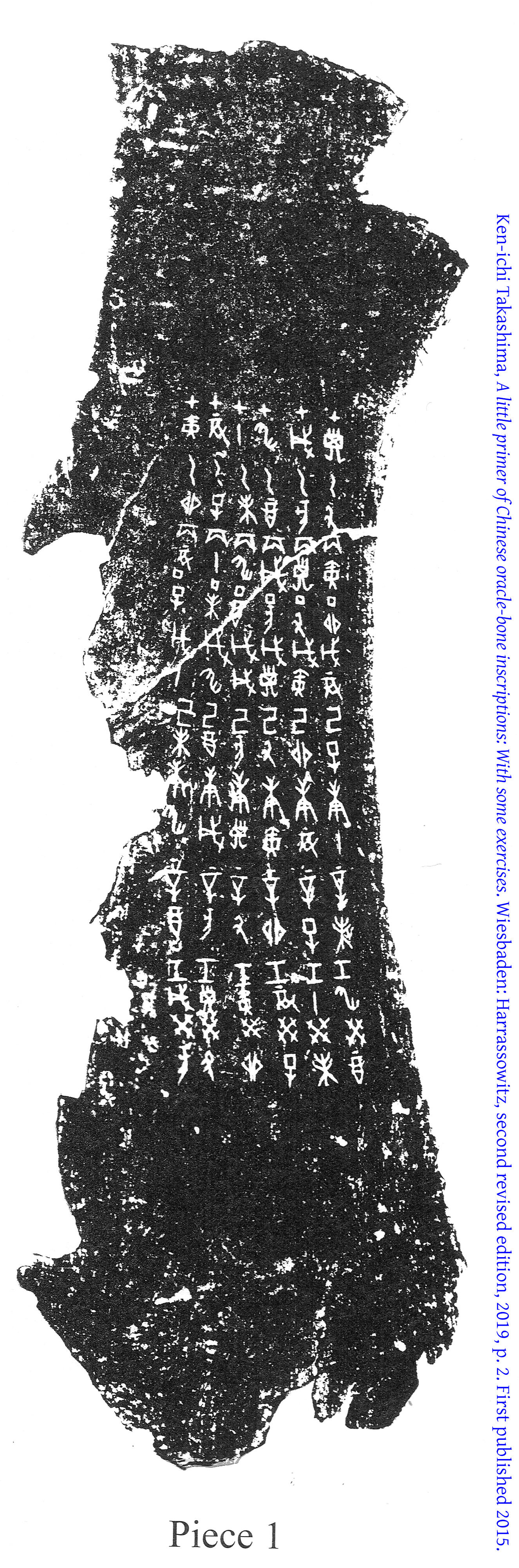
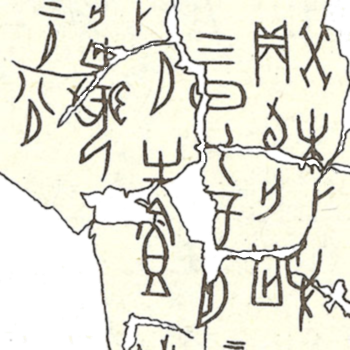

 Observing and documenting language and script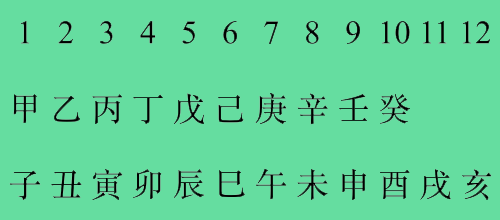

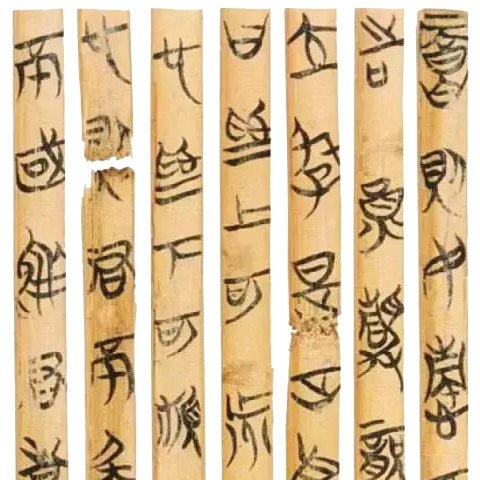

 ,
,  ,
,  and
and  in this dictionary.







 Journal of Chinese Writing Systems